Description
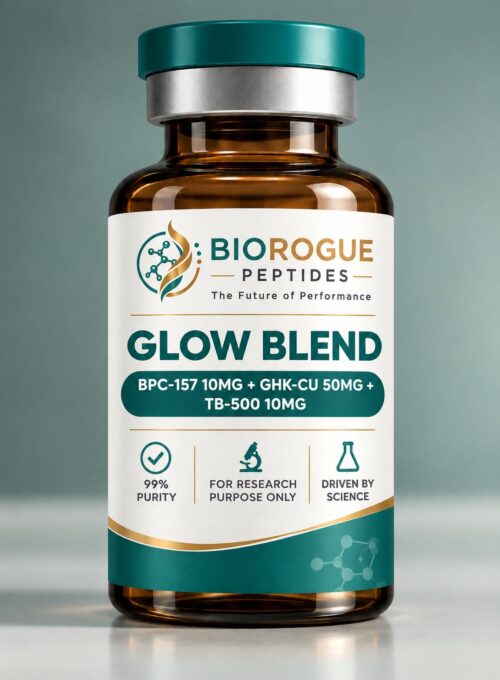
GHK-CU is investigated as a peptide-based research tool for examining metal-dependent cellular signaling, extracellular matrix regulation, and peptide-metal interaction behavior at the molecular level. In preclinical research environments, GHK-Cu has been studied for its interaction with redox-sensitive signaling pathways, transcriptional regulation mechanisms, and matrix-associated cellular communication networks. The coordinated copper ion enables researchers to investigate metal-mediated biochemical processes within controlled laboratory systems while maintaining a defined and reproducible molecular framework. Scientific interest in GHK-Cu continues to expand due to its role in research involving copper-associated signaling networks, extracellular matrix dynamics, and cellular communication pathways. Its unique peptide-metal structure provides researchers with a valuable model for investigating metal-dependent biological processes and the integration of signaling pathways within complex laboratory systems. Current areas of scientific investigation include extracellular matrix signaling analysis, peptide-metal coordination studies, redox-sensitive signaling pathway research, transcription-associated metal regulation, copper-mediated cellular signaling investigations, and matrix-associated biochemical pathway analysis.
Key Highlights
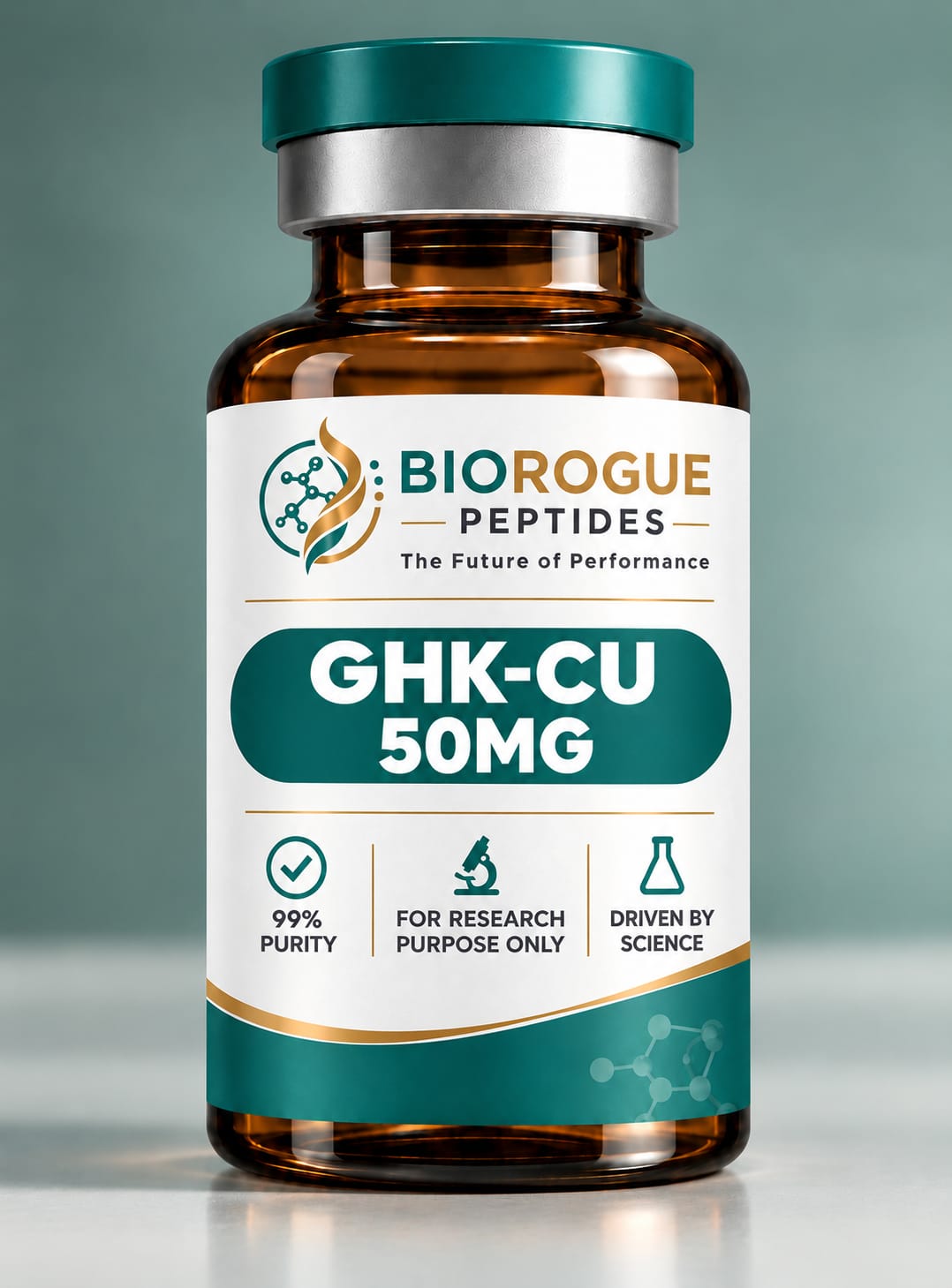
Product Name: GHK-Cu
Strength: 50MG
Chemical Name: Copper Tripeptide Glycyl-L-Histidyl-L-Lysine Complex
CAS Number: 89030-95-5
Molecular Formula: C₁₄H₂₃CuN₅O₄
Molecular Weight: 401.91 g/mol
Amino Acid Sequence: Gly-His-Lys
Appearance: Blue-Purple Lyophilized Powder
Classification: Peptide-Metal Research Compound
Purity: Verified by analytical testing prior to release
Analytical Methods: HPLC, Mass Spectrometry (MS)
Research Applications
Research areas commonly associated with this compound include:
Tissue Repair
Healing & Inflammation
Storage Handling
Store lyophilized material refrigerated at 2–8°C for routine storage. For optimal long-term preservation, materials may be stored frozen. Once reconstituted, maintain at 2–8°C and protect from excessive heat, moisture, and direct light. Avoid repeated freeze-thaw cycles and keep materials in their original sealed container until ready for use. Proper storage and handling practices help preserve product integrity, stability, and overall quality.
Research Use Only Disclaimer
Products offered by BioRogue Peptides are intended exclusively for laboratory research, analytical testing, and scientific investigation.
These materials are not intended for human or veterinary use, consumption, administration, diagnosis, treatment, mitigation, cure, or prevention of any disease or medical condition.
By purchasing from BioRogue Peptides, the purchaser acknowledges that all products are being acquired solely for lawful research purposes and will be handled in accordance with applicable regulations and accepted laboratory practices.
The purchaser assumes responsibility for the proper handling, storage, and use of all materials. BioRogue Peptides makes no representations, warranties, or claims regarding any application beyond legitimate research use.”
HEALTH CANADA WARNING
Unauthorized health products have not been approved by Health Canada, which means that they have not been assessed for safety, efficacy and quality and may pose a range of serious health risks. They may contain high-risk ingredients, such as prescription or controlled drugs, and additives or contaminants that may or may not be listed on the label. The level of active ingredients could be higher or lower than claimed and these ingredients could interact with other medications and foods. Prescription drugs should only be used under the care of a licensed health care professional because they are intended to treat specific conditions and may cause serious side effects. Prescription drugs can only be legally sold to consumers in Canada with a prescription.